Erectile dysfunction and hair loss may be associated when treating hair loss with finasteride.
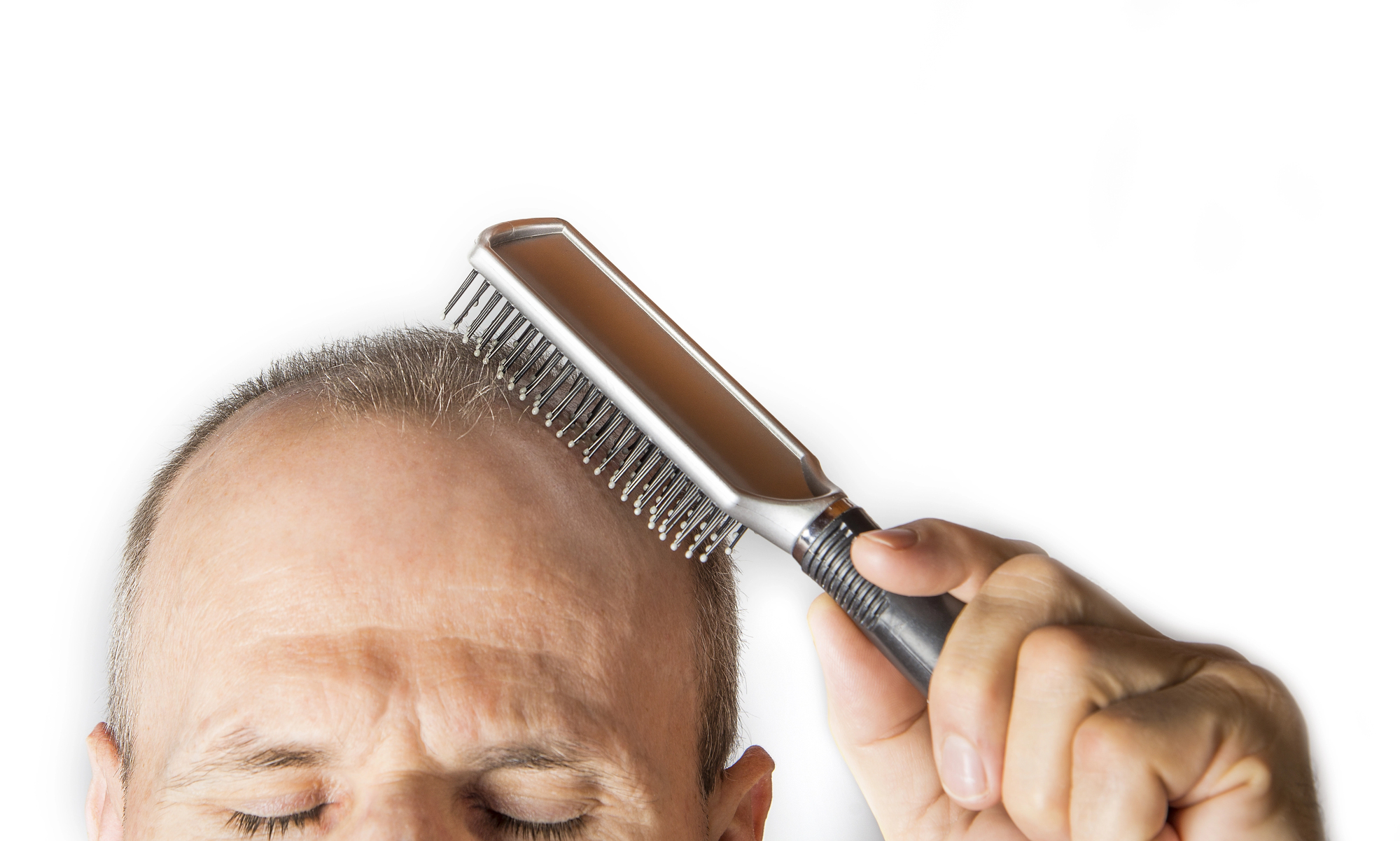
Androgenetic alopecia, commonly known as male pattern baldness, is common but can have a considerable negative impact on a man’s life. For this reason, the search for treatment to restore bald areas is so frequent.
If in the past men were afraid of a possible relationship between androgenetic alopecia and impotence, today there is greater scientific knowledge on the topic and the possibility of adjusting treatment with specialized follow-up, seeking to reduce the impact on sexual function.
Learn about the main treatments for hair loss and understand how to manage erectile dysfunction and hair loss while the new hair grows.
Myth or fact: does hair loss treatment cause impotence?
Not every hair loss treatment causes erectile dysfunction. This concern is valid, because some medications may affect male sexual function, while others have a more favorable safety profile.
Finasteride, one of the most widely used oral treatments to control male hair loss, has been associated in some reports with reduced libido and problems with erection or ejaculation – effects that are usually reversible after stopping the medication.
On the other hand, minoxidil is considered a hair loss treatment with a more favorable safety profile regarding erectile function, according to the data available so far. The formulation has even been studied as a possible option to treat erectile dysfunction, although researchers have not yet been able to prove its effectiveness for this purpose, according to a 2023 publication in Sexual Medicine Reviews.
Main treatments for male hair loss
With advances in hair medicine, there are now several ways to treat hair loss and stimulate hair growth, ranging from medications and daily-use products to clinical therapies and more advanced procedures.
The choice of treatment depends on the stage of baldness, age, family history, sensitivity to medications and the aesthetic goals of each patient.
In many cases, it is necessary to combine different approaches, always with supervision from a healthcare professional.
The most common and accessible options are topical or systemic treatments, such as:
- Oral finasteride;
- Topical or oral minoxidil;
- Compounded formulations that may include minoxidil, topical finasteride, biotin, melatonin and other components;
- Anti-hair-loss shampoos and lotions used when washing the hair.
DHT, finasteride and erectile dysfunction: where is the link?
Finasteride is a hair loss medication that works as a 5-alpha-reductase inhibitor. It blocks the enzyme that converts testosterone into the hormone DHT (dihydrotestosterone), which is responsible for weakening the hair and accelerating baldness in men with a genetic predisposition.
By reducing DHT, the hair shafts stop thinning progressively and hair growth tends to improve, which can be beneficial in cases of androgenetic alopecia. However, this reduction in DHT may cause unwanted effects in some men.
There is a relationship between DHT and male sexual function because this hormone also participates in mechanisms related to sexual desire. Some patients report reduced libido and erectile dysfunction while using the medication, meaning that treatment can be one of the hormonal factors involved in erectile dysfunction.
These side effects of finasteride are usually observed while the man is taking the medication. In most cases, sexual function tends to return to baseline after the drug is discontinued.
When the treatment is well adjusted and monitored, the goal is to reduce the risk of unwanted effects on erectile function, always taking into account each patient’s individual response.
How to avoid erectile dysfunction during hair loss treatment
To minimize unwanted effects during hair loss treatment, medical follow-up is essential, with special attention to male hormones and healthy lifestyle habits.
Appointments with specialists such as dermatologists, urologists and endocrinologists should be more frequent.
They can recommend the most appropriate treatment for each case and adjust the dose according to the clinical response and any side effects, since each person reacts differently to the prescribed medication.
In addition, these professionals should monitor the patient’s hormone levels. Periodic tests such as total and free testosterone, DHT, LH and FSH, among others, make it possible to monitor both sexual health and hair growth.
While pharmacological treatment is being carried out, men should also adopt a balanced lifestyle, which may help maintain hormonal balance:
- Healthy diet: include lean proteins, fruits, vegetables and healthy fats to support the body’s natural testosterone production.
- Regular physical activity: resistance and strength exercises can help maintain hormonal balance in men and improve blood circulation.
- Adequate sleep: sleeping 7 to 8 hours per night helps maintain hormone production and sexual vitality.
- Avoid stress and self-medication: stressful situations and the inappropriate use of medicines without medical supervision can deregulate the endocrine system and affect erection.
If, even after following essential care measures, the patient still has complaints of erectile dysfunction, the urologist may prescribe a specific clinical treatment for the condition.
When necessary, the patient may be referred to a psychologist to address low self-esteem, self-image issues and negative feelings associated with hair loss, which may also impact libido and sexual life.
Frequently asked questions about erectile dysfunction and hair loss
Does minoxidil cause erectile dysfunction?
So far, there is no consistent evidence that minoxidil is directly associated with erectile dysfunction, according to the available studies. Any symptoms should be evaluated individually by a physician.
Which hair loss medication can affect erections?
Finasteride may negatively affect libido and sexual function in some patients while it is being used. However, not all men experience these side effects.
What makes hair loss worse?
Baldness is genetic, but it tends to worsen with factors such as an unhealthy lifestyle, hormonal imbalances, illnesses, use of chemical products or excessive friction on the hair and the use of certain medications.
When to see a urologist if you have erectile dysfunction and hair loss
Although the dermatologist is the specialist primarily responsible for treating baldness, it is also recommended that men consult a urologist.
The urologist will work together with the dermatologist, especially when there is concern about male hormones and hair loss.
He can monitor testosterone and DHT levels, explain the risks and benefits of each medication and provide guidance on how to maintain hormonal balance.
In this context, the urologist can also offer guidance on sexual health for patients undergoing hair loss treatment, assessing complaints of erectile dysfunction and other related changes.
If the patient presents with low libido or signs of erectile dysfunction, the urologist may recommend evidence-based treatments for erectile dysfunction when appropriate.
Questions about hormones? Talk to Dr. Paulo Egydio
Hormones are fundamental both for hair health and for male sexual health. If you have questions about how they work or suspect hormonal changes, you can talk to Dr. Paulo Egydio.
He has been caring for men’s sexual health for over 25 years and sees patients from different countries, always focusing on individualized assessment and guidance based on scientific evidence.
Get in touch to receive initial guidance from the team and better understand the options for investigation and treatment. The medical consultation is the appropriate moment to clarify doubts and define the most suitable approach for your case.