

Does chemotherapy cause impotence in men? Discover treatments involving medications such as Sildenafil and Tadalafil, penile injections, and hormone replacement. Learn how to safeguard your sexual health during this period.
Knowing whether chemotherapy causes impotence may not be the main concern for men living with cancer, yet it is a common fear among patients who receive this diagnosis.
Although this therapy is a powerful ally in the fight against cancer, chemotherapy is also notorious for triggering several unwanted side-effects that can affect a patient’s sex life.
In addition, because cancer forces a man to focus on survival, sex often stops being a priority —and mental state is crucial when it comes to intimacy.
Keep reading to find out does chemotherapy cause impotence and discover real hope for treatment and a return to sexual quality of life.
What is chemotherapy and how does it work?
Chemotherapy is one of the most prescribed treatments for many types of cancer.
It uses drugs that try to stop cancer cells from growing and spreading because these cells tend to reproduce quickly.
Chemo can be given as pills, injections, intravenous (IV) infusions, topical applications, or via a catheter, depending on the cancer type and medical advice.
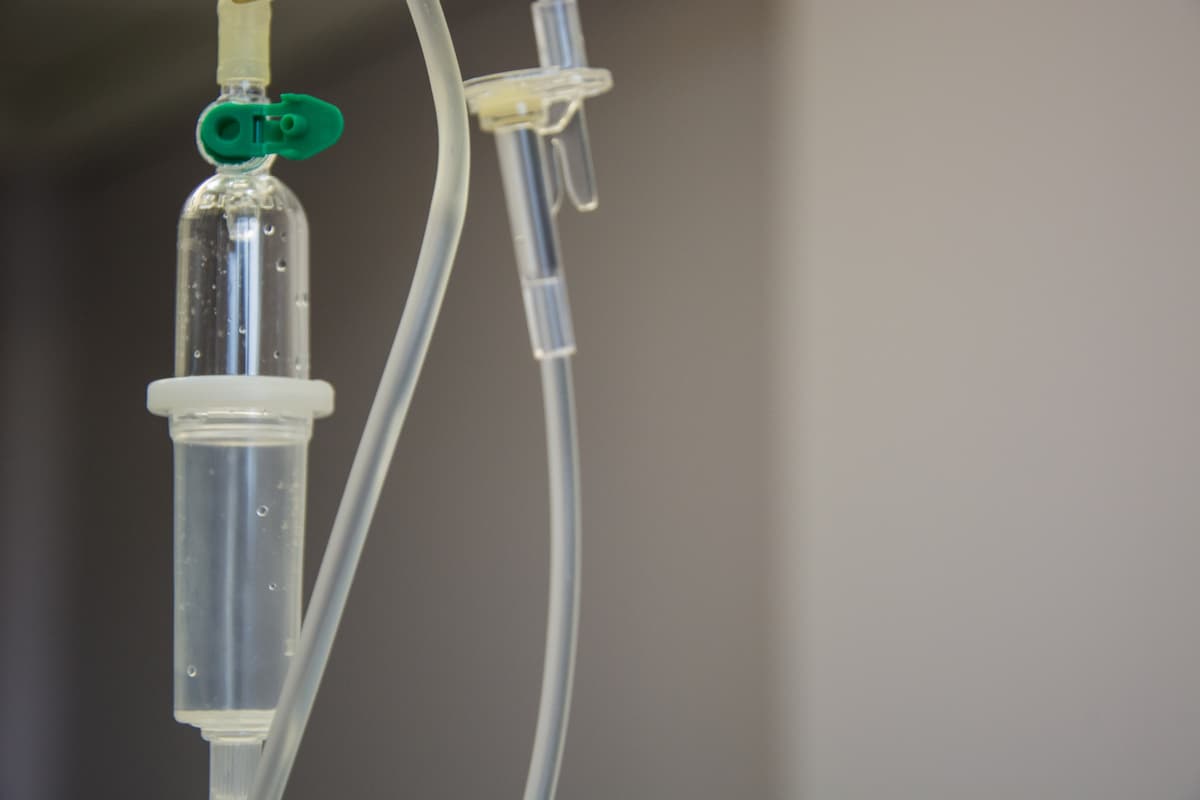
Timing and intervals vary. Cancer type and stage, the patient’s overall health, and observed side-effects must be balanced so the patient experiences symptom relief and maintains quality of life.
Chemotherapy may also be combined with surgery or radiotherapy, or used as palliative therapy in very advanced cases.
Read more: Prostate Cancer: Symptoms, Risk Factors, and Treatments
Side-effects of chemotherapy
Chemotherapy is well known for bringing a host of side-effects.
You probably know someone who has undergone this treatment and reported unpleasant symptoms because chemo drugs can harm healthy cells as well.
Common chemotherapy side-effects, which vary with dose, duration, and individual response, include:
- Nausea and vomiting
- Hair loss
- Fatigue
- Loss of appetite and taste changes
- Mouth inflammation and sores
- Diarrhea or constipation
So, does chemotherapy leave a man impotent?
Yes, chemotherapy can cause impotence, but it is not inevitable for every man. The impact depends on the drug used, dosage, treatment length, and the patient’s prior health.
Some men may experience temporary erectile issues, while others face longer-lasting challenges; these are the most frequent sexual side-effects.
The effects on erectile function may be physical, psychological, or both.
Lower testosterone production in the testes affects erections. Treatment can also damage nerves temporarily or permanently, so penile sensitivity changes, making it harder to achieve or sustain an erection throughout intercourse.
When chemo is combined with other treatments—such as radical prostatectomy—it raises impotence risk because surgery itself is a risk factor.
Does chemotherapy reduce male libido?
Chemotherapy causes impotence in part because of its psychological consequences.
Fatigue and malaise often suppress sexual desire. Without arousal, achieving an erection becomes much tougher.
Facing a cancer diagnosis and aggressive therapy can trigger stress, anxiety, and depression, all of which impact libido and erections.
Can a man on chemotherapy have sex?
Yes—men undergoing chemotherapy can have sex, but they should follow certain precautions. Chemo side-effects such as extreme tiredness, nausea, and lower libido may reduce desire or ability to keep an active sex life.
During chemotherapy the body undergoes many changes that can directly affect performance and interest. Some men feel more exhausted or emotionally overwhelmed, making intimacy harder.
Safety is also an issue: using condoms is advisable because traces of chemotherapy drugs may be present in semen, exposing the partner.
If the man feels well and comfortable, intercourse is possible, but respect your own pace and prioritise health during treatment. Always ask your doctor whether the timing is right and whether special guidance applies.

Diagnosing impotence during chemotherapy
Diagnosing impotence in men on chemotherapy requires assessing the physical and emotional symptoms that emerge during treatment.
Key signs include difficulty maintaining or achieving an erection, lower sexual desire (libido), and extreme fatigue that directly affects sexual performance.
These symptoms may appear gradually or suddenly; intensity varies with chemo type and individual response.
Your doctor will ask about erection frequency, the quality of sexual activity, and changes in sexual appetite since chemo began.
Blood tests to check hormone levels, such as testosterone, may be ordered to see how treatment is impacting sexual function. A hormone drop can be one cause of impotence.
Psychological factors like anxiety and stress—common in cancer patients—are also considered in the diagnosis.
Treatments for chemotherapy-induced impotence
The treatment for erectile dysfunction caused by chemo depends on the underlying cause and the patient’s overall health.
Doctors usually start with clinical options first, mindful of potential drug interactions with cancer therapy.
These medications increase blood flow to the penis, which may promote erection in some cases, as medically assessed.
If needed, Alprostadil—an intracavernosal injection that works similarly—can be tried.
Testosterone decline must also be monitored. If significant, hormone replacement may be recommended to improve erectile function and libido.
Alternative therapies such as vacuum devices, shock-wave therapy, and penile physiotherapy may also be suggested depending on urological advice.
In severe cases with vascular and nerve damage causing permanent dysfunction, surgery to place a penile prosthesis can restore rigidity. This decision requires joint evaluation with a urologist to confirm the patient’s fitness for surgery.
Psychological support helps cancer patients address emotional issues, cope with erectile dysfunction, and rebuild sexual desire.
Is a penile prosthesis indicated for cancer patients with impotence?
Men who have completed cancer therapy and suffer erectile dysfunction need careful evaluation to decide whether a penile prosthesis is appropriate.
In severe cases—or when first- and second-line clinical treatments fail—a prosthesis may be a viable alternative, provided a doctor indicates it and the patient is medically fit.
How does implantation work for oncology patients?
There is no technical difference between the surgery or the device used in oncology versus non-oncology patients.
It is crucial to assess the penis for curvature, thinning, or retraction so that restoring its dimensions with micro-incisions is possible. Evaluation also guides the choice of implant model.
After recovery—timing varies with overall health—the man will have a functional penis and can resume sexual life, which is psychologically important for cancer patients and motivates them to continue their journey.
Can men on chemotherapy take Viagra?
In principle, men on chemotherapy can take Viagra or other erectile-dysfunction drugs, but only under medical supervision.
Although Viagra is effective for maintaining an erection, patients must consult their oncologist first because each case is unique and chemo can introduce conditions that need careful evaluation before adding medication.
Viagra increases penile blood flow, yet its use must be monitored because chemo often causes fatigue, immune suppression, and hormonal changes; the doctor may adjust dosage or timing accordingly.
Some chemotherapy drugs can interact with Viagra—that is another reason why strict medical follow-up matters.

Tips to improve sexual life during chemotherapy
Chemotherapy can affect many life aspects, including sexuality, yet that doesn’t mean you must give up intimacy. With the right changes and care, you can handle treatment challenges and maintain a healthy sex life.
The key is to understand your body is recovering; with time and the right approach, male desire and performance can adapt to the new reality.
Below are practical tips to help men in treatment overcome sexual problems and face chemo’s challenges more lightly and healthily.
1. Respect your own pace
Cancer is never easy news and can have a significant emotional impact.
It is common for sexual life to take a back seat. If that is happening, respect your timing. Soon you may feel like resuming sexual activity.
Sometimes it takes longer—that’s fine. Respect the process.
2. Take care of your mental health
Chemotherapy’s emotional toll can be as significant as the physical one. Insecurity, anxiety, and low self-esteem are common and directly influence sexual desire.
Finding ways to take care of mental health—meditation, therapy, or simply talking to friends—makes a huge difference. Mental well-being is linked to sexual health, so the more emotionally balanced you are, the better your sex life.
3. Seek urological help
When you feel ready for intimacy, consult a urologist about temporary or persistent sexual dysfunction—there is treatment!
Your doctor can advise on hormone therapy or medications that improve erectile function safely within chemotherapy limitations.
Also discuss sexual impacts with your oncologist. Small adjustments may restore sexual quality of life.
4. Talk to your partner
A supportive partner can be a major source of emotional strength. Discuss hormonal changes, fears, and expectations; openness avoids misunderstandings and frustration.
Remember that relationships go beyond sex. Sharing affectionate moments without performance pressure strengthens the bond and eases anxiety.
5. Practise relaxation-focused activities
Activities such as yoga, meditation, or stretching reduce stress and improve quality of life during chemotherapy. They relax body and mind, which can boost desire and performance.
Breathing and relaxation exercises also increase body awareness so you feel more comfortable and confident with your sexuality—even while in treatment.
Find personalised treatment with Dr Paulo Egydio
Cancer therapy can affect sexual health, but effective treatments exist to overcome this challenge during chemotherapy.
Because every body reacts differently, professional follow-up ensures any side-effect—such as impotence—is managed safely and individually.
If you are experiencing sexual difficulties during chemotherapy, don’t wait to seek help. Dr Paulo Egydio specialises in male sexual health and has experience supporting oncology patients. Personalised evaluation is essential to identify the best approach for each case.
Chemotherapy can influence male sexual performance, but with accurate diagnosis and proper follow-up, there are management options that can improve well-being and sexual quality of life.
Take a pre-analysis now and see how Dr Paulo Egydio can help you regain confidence and health.