

Prostate issues can sometimes affect fertility, depending on the cause and severity of the condition. Learn everything about prostate problems and fertility in today’s text.
You’ve probably heard of the prostate, that well-known gland of the male reproductive system, located just below the bladder and in front of the rectum. Its main function is to produce and secrete part of the seminal fluid that makes up semen.
It contributes significantly to the production of seminal fluid, essential for the nutrition and transport of sperm.
When something goes wrong with the prostate, many problems can occur, such as prostatitis, benign prostatic hyperplasia (BPH), and prostate cancer itself. But what about fertility?
Can those with prostate problems have children? Yes, issues like these can interfere with reproductive function.
In today’s text, we will address some of the main problems related to the prostate, explaining whether or not they are related to a man’s ability to have children.
Exploring how these conditions can impact fertility, we will discuss the available treatment options and assisted reproduction techniques and in vitro fertilization, which can help men with prostate issues fulfill the dream of having children.
Can those with prostate problems have children, or do they cause infertility?
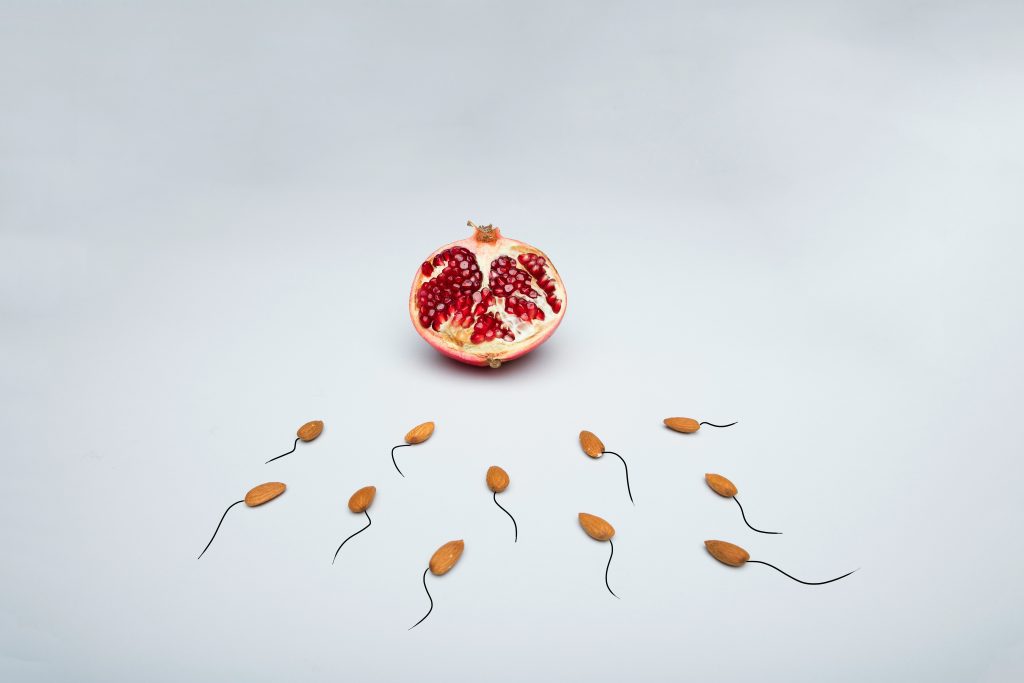
Prostate problems can cause infertility. Among the main reasons for this are changes in semen quality or the side effects of certain treatments.
For example: while prostatitis can be treated and fertility restored, radical prostatectomy for cancer treatment often results in infertility due to gland removal and, therefore, interruption of seminal fluid production.
Does prostate cancer cause infertility?
Prostate cancer is one of the main causes of male infertility. This happens mainly because of treatments for the disease.
Depending on the type of treatment adopted to combat prostate cancer, male fertility can be affected in different ways, including:
- Chemotherapy: chemotherapy can be used in advanced cases of prostate cancer. This type of medication can damage reproductive cells in the testicles, resulting in reduced or absent sperm production.
- Radiation therapy: radiation therapy, which uses radiation to destroy cancer cells, can damage nearby reproductive tissues. When it affects the testicles, it can disrupt sperm production. Additionally, radiation can damage the prostate and seminal vesicles, compromising seminal fluid production and the ability to ejaculate.
- Radical prostatectomy: this is the surgical procedure that involves the complete removal of the prostate and seminal vesicles. The absence of ejaculation makes natural fertility unfeasible.
- Hormonal therapy (or hormone therapy): this treatment reduces testosterone levels in the body, a hormone essential for sperm production. Lowering testosterone can lead to decreased sperm production and testicular atrophy, impacting fertility.
Remember that, before starting treatment, men diagnosed with prostate cancer who wish to have children in the future can (and should) discuss fertility preservation options, such as semen freezing.
Can a man who has had his prostate removed have a child?
The removal of the prostate and seminal vesicles alters the anatomy of the reproductive tract, interrupting the continuity between the testicles and the ejaculatory duct. Although the testicles can still produce sperm, these cannot be expelled because the natural pathway for the exit of seminal fluid has been removed.
Radical prostatectomy is one of the forms of treatment for prostate cancer. This surgical procedure, which involves the complete removal of the prostate and seminal vesicles, has a significant impact on male fertility in virtually all cases.
Without the prostate, the seminal fluid, essential for transporting sperm, is not produced. After the removal of the prostate and seminal vesicles, the man experiences anejaculation, a condition in which no semen is emitted during ejaculation.
In addition, the surgery can damage nerves and muscles involved in ejaculation. Even though some minimally invasive procedures try to preserve these nerves, there is always a risk of damage that can compromise ejaculatory function.
Assisted reproduction techniques can be considered for men who wish to have children after this type of surgery. Consult your urologist.
Does prostatitis cause infertility?
Prostatitis, an inflammation of the prostate, does not always cause infertility, but in more severe cases, it can occur.
Acute bacterial prostatitis can temporarily reduce semen quality, but it is generally reversible with treatment.
Chronic bacterial prostatitis can impair sperm concentration and motility, requiring ongoing treatment.
Chronic prostatitis, also called chronic pelvic pain syndrome, can affect sexual function and semen quality, varying from case to case.
Does benign prostatic hyperplasia also affect fertility?
While BPH is not a direct cause of infertility, it is important to discuss with your doctor treatment options that may preserve sexual function.
This is because some medications used for benign prostatic hyperplasia, such as alpha-blockers or 5-alpha-reductase inhibitors, can have side effects that affect sexual function.
Moreover, in rare cases, surgeries for BPH (such as transurethral resection of the prostate or laser surgery) can cause damage to nerves and muscles that control ejaculation, indirectly affecting fertility.
Is it possible to recover fertility after treating prostate problems?
In some cases, it is possible to recover fertility after treating prostate problems, but this depends on the severity and type of treatment performed.
In radical prostatectomy, for example, the complete removal of the prostate and seminal vesicles makes fertility unfeasible permanently.
However, when we talk about prostatitis and benign prostatic hyperplasia, in many cases, the situation is reversible with the correct treatment and the possibility of adjustments in medication.

Are there treatments for prostate problems that preserve fertility?
In many cases, it is possible to discuss with your doctor treatment options for prostate problems that may minimize their impact, preserving fertility in some way.
In some cases of prostate cancer, there is the possibility of performing surgical techniques to preserve the nerves that control sexual function, reducing risks.
Choosing less invasive treatments, if possible, can result in benefits for reproductive health.
For men who are about to undergo treatments that may affect fertility, such as radical prostatectomy, chemotherapy, or radiation therapy, sperm preservation through semen freezing is an option.
Signs that indicate prostate problems
Are you suspecting you have a prostate problem? Learn some symptoms and signs that may indicate something is wrong. Check them out:
- Difficulty urinating;
- Frequent urination, especially at night (nocturia);
- Weak urinary flow;
- Interrupted urinary flow;
- Feeling of not being able to completely empty the bladder;
- Pain or discomfort when urinating;
- Frequent urinary tract infections;
- Blood in the urine or semen;
- Pain in the pelvic area, genitals, or lower back;
- Pain during ejaculation;
- Weak erections or ejaculation problems.
Early diagnosis is essential
Whether in cases of prostate cancer, prostatitis, or BPH, early diagnosis is fundamental for effective treatment.
This allows the indicated treatment to be started as soon as possible, with chances of success in many cases.
Early treatment can help avoid possible complications, improving the quality of life of the patient.
Actively take care of your health and undergo regular exams, seeking medical help at the first sign of a problem.
It is possible that prostate problems affect male fertility, but in many cases, it is possible to reverse or prevent their progression with the appropriate treatment and the use of assisted reproduction techniques, when necessary.
Remember: discuss with your urologist all concerns and available options and be secure before making any decisions.
Want to stay updated on health and receive important tips directly from Dr. Paulo Egydio? Join our WhatsApp group and be part of this community dedicated to men’s well-being!
Read also
- What is penile fracture?
- Surgery for Peyronie’s Disease: Risks and Recommendations
- Egydio’s Technique: Peyronie Disease Treatment
- Does the Egydio Technique Work for Every Penile Curvature?
- Implante de Prótese Peniana | Dr. Paulo Egydio
- Does Small Penis Exist? Check When Size Is a Concern
- 7 Simple Habits to Prevent Prostate Cancer
- Can People with a Penile Prosthesis Play Sports?
- How to Enlarge the Penis: Understanding the Options
- 6 Causes of Penis Fissures: Treatments and Care Tips