
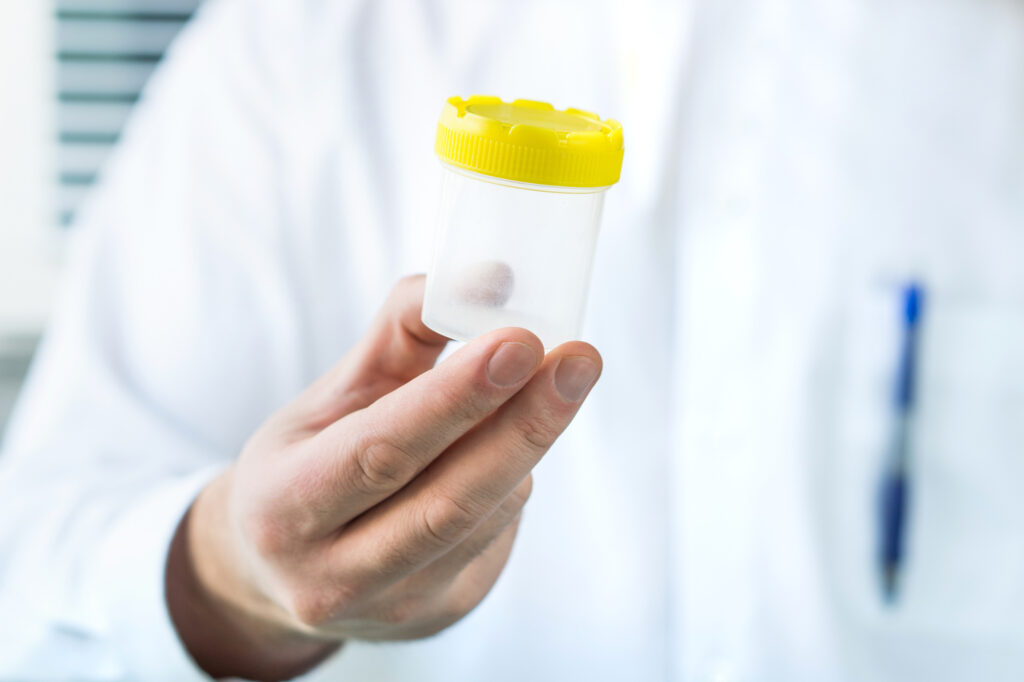
Ejaculatory dysfunction interferes with the release of semen during an erection and can compromise both the physiological and sexual functions of the penis. Find out what this disorder is and how to address it.
Anejaculation is considered a rare condition in urological cases (approximately 12,000 cases per year). It may be caused by metabolic malfunction (organic in nature) or by psychological issues, as we will see throughout this text.
Anejaculation is a type of ejaculatory disorder in which semen is not released during orgasm. The sensation of pleasure is not eliminated by the condition, but other problems may arise, such as infertility, inflammation, discomfort in the penis, and even infections.
The absence of seminal fluid at the moment of climax—whether during masturbation or with a partner—should be a warning sign for other possible diagnoses, as you’ll understand better now.
What Is Anejaculation?
Anejaculation is a male sexual dysfunction that compromises the ability to release semen during orgasm. It can mean a complete inability to ejaculate. However, the condition may appear only in certain situations, not necessarily limited to sexual intercourse. Because of this, there are different classifications for diagnosis.
Even if the sexual peak is not completed by releasing sperm, the pleasure of orgasm is usually not affected.
The most notable problem caused by anejaculation is infertility, after all, without sperm, no fertilization process can occur. However, the inability to ejaculate often indicates other sexual diagnoses that may be more serious and require attention, such as erectile dysfunction, emotional issues, hormonal decline, and rare congenital diseases.
When a Man Ejaculates, What Does It Mean?
Regular ejaculation is considered a sign of a healthy male body! Ejaculation is a natural process in the male body, resulting from the release of sperm and seminal fluids during orgasm.
This phenomenon is part of the normal functioning of the male reproductive system and can occur during sexual intercourse or masturbation.
In addition to being associated with pleasure, ejaculation is also important for reproduction and may bring health benefits such as stress relief and improved sleep quality.
What Are the Types of Anejaculation?
According to the most up-to-date medical literature, ejaculatory dysfunction is classified into two categories and across two types of clinical manifestation.
Primary Inability
In this uncommon scenario, the man has never experienced ejaculation during sex or masturbation.
Secondary Inability
In contrast, secondary inability—more common among men—is when ejaculation was previously normal, but at a certain point it stops happening. In this case, the disorder is related to another diagnosis.
Types of Anejaculation

Situational
Situational anejaculation is characterized by the inability to ejaculate in specific circumstances, rather than being a continuous effect. In other words, the man may be able to ejaculate while pleasuring himself but not when with a partner during sexual intercourse.
Generalized
Regardless of the situation, ejaculatory capacity is completely compromised, and the man cannot release semen.
Difference Between Anejaculation and Other Ejaculatory Disorders
Anejaculation is characterized by the total absence of ejaculation, even with adequate sexual stimulation. Other ejaculatory disorders include:
- Retrograde ejaculation: semen is directed to the bladder instead of being expelled;
- Premature ejaculation: occurs quickly, with little control, leaving sexual intercourse unsatisfying for partners;
- Delayed ejaculation: difficulty ejaculating despite prolonged sexual stimulation.
How Does Anejaculation Affect Fertility?
What Causes the Disorder?
When a man cannot ejaculate, different factors may be responsible. Not all cases are organic. Among the 12,000 annual cases, at least 1.5% is typically associated with emotional issues such as depression, stress, and anxiety.
Lack of ejaculation can be caused by anorgasmia, which is the inability to achieve orgasm. In this case, anejaculation is a consequence of the orgasmic disorder. As explained above, there are cases in which a man can feel the orgasm but not ejaculate; the opposite cannot occur.
Removal of the prostate gland for prostate cancer treatment, during a procedure called radical prostatectomy, leads to a lack of ejaculation and, in some cases, it is accompanied by erectile dysfunction due to injury to the erectile nerves.
Emotional Factors

It’s important to emphasize that arousal, erection, and ultimately orgasm are produced by mental stimuli. It’s not just a physiological response, and any drastic change in mental health can affect the quality of one of those stages.
Situations that heavily impact emotional responses, such as:
- Work stress;
- Relationship difficulties;
- Financial problems;
- Depression;
- Anxiety.
These can interfere with the nerve transmissions that produce ejaculation. The symptomatic effects are a warning sign from the body that something isn’t working well. Therefore, seeking a specialist from the outset is crucial.
In addition to emotional sensations, some antidepressants produce side effects related to sexual dysfunctions, from reduced libido to sexual impotence.
Certain active ingredients such as imipramine, can interfere with arousal sensations and, consequently, erection and orgasm achievement, preventing the release of semen at the moment that should represent the peak of pleasure.
Psychogenic Anejaculation
When the inability to ejaculate lacks clinical evidence, it suggests a diagnosis of psychogenic anejaculation. This term is used when the causes of anejaculation are emotional and/or behavioral.
Physiological Factors
These lead to an organic diagnosis of anejaculation. That is, when the disorder is caused by clinical factors such as bodily diseases and metabolic abnormalities: diabetes, heart problems, heart attacks, rare congenital diseases, among others.
There are also other natural bodily responses during aging that can lead to ejaculatory dysfunction, as well as to erectile dysfunction itself; the main one is the decrease in sex hormones, especially from around 50 years of age in men.
Neurological diseases such as multiple sclerosis or neuropathies can also manifest through physiological and sexual abnormalities. Anejaculation itself, as well as changes in penile curvature, may be recognized as early signs of more serious diseases involving the body’s nervous and muscular functions.
Diagnosing Anejaculation
An anejaculation diagnosis must be made by a doctor. With a detailed evaluation, they can identify the cause of the disorder.
The physician starts with a complete anamnesis, analyzing the patient’s sexual, medical, and surgical history, as well as investigating possible psychological and neurological factors.
Tests and Medical Evaluations
Some complementary tests may be necessary for a more accurate diagnosis, such as:
- Laboratory tests: Hormonal analyses (testosterone, prolactin, FSH, and LH) help identify imbalances that may impact ejaculation.
- Post-orgasm urine test: Checks for sperm in the urine, which may indicate retrograde ejaculation.
- Prostatic and bladder ultrasound: Assesses possible obstructions or anatomical changes that can interfere with ejaculation.
- Electromyography and neurological tests: Used to investigate nerve damage that might affect the ejaculatory reflex.
How to Treat Anejaculation?
There are treatments for problems with ejaculation, and they can yield effective responses, regardless of type or classification.
The inability to ejaculate can be triggered by different factors and manifest in various forms. Therefore, treating anejaculation must be personalized to help men ejaculate normally.
Electroejaculation
For men looking to address infertility issues, electroejaculation is the primary recommended technique. Through this method, patients with ejaculatory inability receive electrical stimulation directly in the seminal vesicles, and the collected sperm is taken for fertilization.
Medications for Anejaculation
There are oral treatments, with specific active compounds aimed at stimulating seminal production and release.
Only a specialist can recommend the best option for your case, especially if the lack of ejaculation is accompanied by other dysfunctions that may also be treated with medications.
Therapies
If, after the specialist’s assessment, a psychological cause for the condition is identified, sexual or cognitive therapy is usually recommended.
If the patient experiences any side effects from antidepressants, a psychiatrist and psychologist should work in alignment with the urologist to establish effective alternatives that do not harm sexual well-being. In the long run, along with therapy, it may be possible to discontinue these drugs so that normal function is gradually restored.
When Should You See a Urologist?
It is advisable to seek a urological consultation upon noticing any persistent difficulty in ejaculating, particularly if it occurs repeatedly during sexual activity or masturbation.
Regardless of the cause of the ejaculatory disorder, feel confident about seeking medical help and appropriate treatment. Although it’s rare, there are quality treatment options to restore sexual self-esteem and support overall health. Count on Dr. Paulo for that!
Read also
- What is penile fracture?
- Surgery for Peyronie’s Disease: Risks and Recommendations
- Egydio’s Technique: Peyronie Disease Treatment
- Does the Egydio Technique Work for Every Penile Curvature?
- Implante de Prótese Peniana | Dr. Paulo Egydio
- Does Small Penis Exist? Check When Size Is a Concern
- 7 Simple Habits to Prevent Prostate Cancer
- Can People with a Penile Prosthesis Play Sports?
- How to Enlarge the Penis: Understanding the Options
- 6 Causes of Penis Fissures: Treatments and Care Tips