
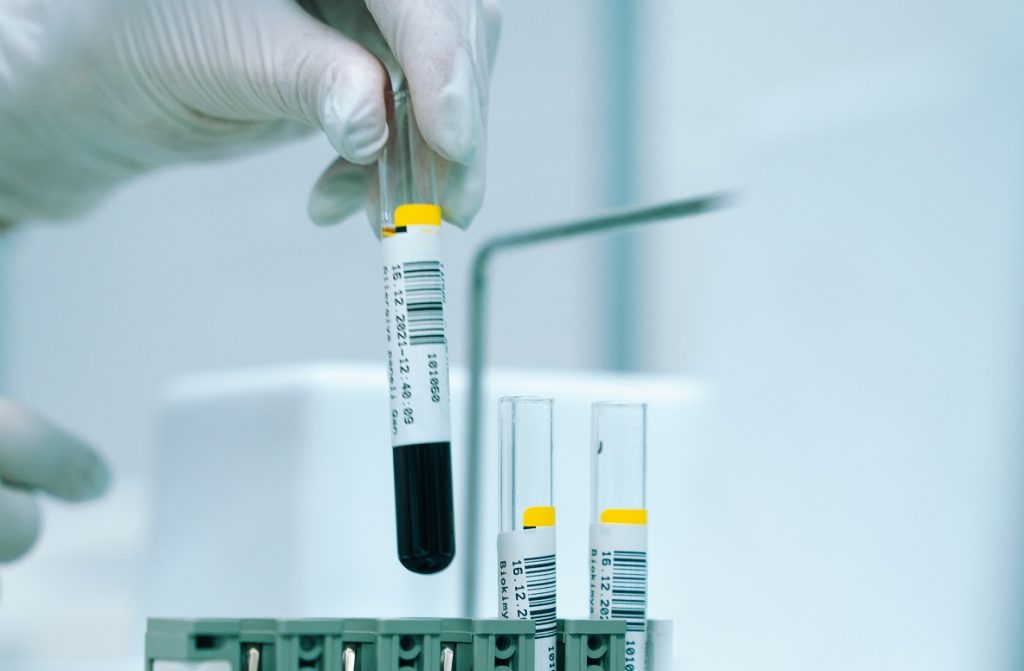
An altered PSA can often indicate prostate cancer, but the blood test can also detect other diseases such as benign prostatic hyperplasia or prostatitis. See what the result means below.
Prostate exams play a fundamental role in the early detection of some male health conditions, including the dreaded prostate cancer, as well as other diseases.
Two of the most common and well-known tests for detecting tumors and other diseases are the digital rectal exam and PSA (Prostate-Specific Antigen), an important gauge.
PSA tests for the presence of a protein in the blood produced by the prostate. Together with the digital rectal exam, this test can provide a comprehensive assessment, enabling early interventions when necessary.
Additionally, the PSA is part of periodic monitoring of prostate health over time, especially for men with a family history of cancer or other risk factors.
Follow today’s text and learn everything you’ve always wanted to know about the PSA test!
What is the PSA test?
The PSA is a test performed by collecting blood, which assesses the levels of a substance produced by the prostate, called prostate-specific antigen.
This test is a screening tool to detect prostate problems. In addition to prostate cancer, it can also indicate other conditions such as benign prostatic hyperplasia (benign enlargement of the prostate) or prostatitis (inflammation of the prostate).
When is the PSA considered high?

There is a PSA table by age. It is measured in units of nanograms per milliliter (ng/ml). Most experts consider a value above 4ng/ml as altered (or above the reference value).
However, other experts may request a more detailed investigation from values between 2.5 and 3ng/ml (depending on the case and age of the patient).
But, typically, when this value is above 4ng/ml, it can already be considered high. The value is concerning when the PSA is over 10ng/ml!
What can an altered PSA indicate?
Commonly, when the PSA value is above 4ng/ml, diseases related to the prostate are investigated.
Besides prostate cancer, the altered exam can also indicate other conditions, such as:
- Benign prostatic hyperplasia (BPH): also known as benign enlargement of the prostate, a common condition in older men that can cause urinary symptoms;
- Prostatitis: a condition often caused by a bacterial infection, which can temporarily increase the levels of high PSA.
Furthermore, PSA levels naturally increase with age, even in the absence of prostate disease. Therefore, each case must be evaluated individually.
In some cases, medical procedures involving the prostate, such as biopsies or digital rectal exams, can temporarily increase PSA levels.
When the PSA level is between 4ng/ml and 10ng/ml, there is a 25% chance that the patient may have prostate cancer. However, if this value exceeds 10 ng/ml, the chance of a malignant tumor increases to 50% or more.
What are the symptoms of an enlarged prostate?
Benign prostatic hyperplasia (BPH) is common in older men. The condition is characterized by the non-cancerous enlargement of the prostate, which can press on the urethra and cause urinary symptoms. Unlike prostate cancer, BPH does not form tumors nor does it present a risk of metastasis.
The prostate, a gland that produces seminal fluid, naturally increases in size throughout life. BPH results from an increase in the number of prostate cells, possibly due to the action of hormones testosterone and dihydrotestosterone.
Genetic factors and family history can also play a role in the development of this condition.
The symptoms of BPH usually start to appear when the enlarged prostate begins to affect urine flow. This can result in difficulty starting urination, a feeling of incomplete bladder emptying, frequent urination (including at night), weak urine stream, and dribbling after urination.
In more severe cases, BPH can lead to complications such as urinary infections and urinary incontinence.

What are the first signs of prostate inflammation?
Prostatitis is an inflammation in the prostate that can cause uncomfortable symptoms, requiring medical treatment. Besides prostate cancer, the prostate, located below the bladder and responsible for producing seminal fluid, can suffer inflammations.
Although not a severe condition, prostatitis should be diagnosed and managed to avoid complications.
Symptoms include pain or discomfort in the pelvic area, difficulty urinating, frequent urination, a feeling that the bladder is not completely empty, and pain during ejaculation.
PSA levels by age
As we have seen above, the values considered normal for PSA can vary not only according to age and medical history. However, generally, the following ranges are used as a reference:
- For men under 50 years: a PSA level of up to 2.5 ng/mL is considered normal;
- Between 50 and 59 years: a PSA level of up to 3.5 ng/mL is considered normal;
- Between 60 and 69 years: a PSA level of up to 4.5 ng/mL can still be considered normal (depending on medical evaluation);
- For men over 70 years: also according to medical evaluation, a PSA level of up to 6.5 ng/mL can still be considered normal.

Regardless of age, values above these ranges may indicate an increased risk of prostate cancer or other conditions, such as BPH or prostatitis.
But, always remember
You should never evaluate a test alone or ignore medical advice based solely on research information, no matter how well-founded.
A urologist should evaluate the PSA results together with other clinical exams to determine the significance and need for further investigation.
From what age is the PSA test indicated?
The ideal time to start the PSA test can vary according to local medical guidelines and individual factors, such as a family history of prostate cancer and other risk factors.
According to the Brazilian Ministry of Health, the exam is generally recommended as screening from the age of 50 (along with the digital rectal exam), even when there are no clear symptoms.
However, for men who have a family history of prostate cancer or other risk factors, doctors may recommend starting screening even earlier, around the age of 40 or 45.
It is always ideal to discuss all issues individually with your urologist.
What factors influence PSA levels?
Besides prostate cancer and diseases like BPH or prostatitis, PSA can also be altered by factors such as:
- Advanced age;
- Medical procedures related to the prostate region, such as biopsies or other exams;
- Some medications used to treat benign enlargement of the prostate (can reduce levels);
- Intense physical activities;
- Urinary infections.
Are there ways to naturally reduce PSA levels?
Although serious conditions like prostate cancer require specific treatment, there are some strategies that can help maintain control over PSA levels (Prostate-Specific Antigen).
It is important to note that they do not directly decrease PSA levels, but they can help maintain overall men’s health and specifically prostate health. Here are some:
- Balanced diet;
- Reduced consumption of saturated fats;
- Keeping a routine of physical exercise up to date and maintaining a healthy weight;
- Avoiding smoking and excessive alcohol consumption.

There are also some forms of supplementation discussed by the medical community (such as selenium and zinc) as a protective effect on the prostate.
However, do not start any treatment (even the use of supplements) without talking first with your doctor. This way, if necessary, you can start nutritional monitoring with the necessary support.
What level of PSA indicates prostate cancer?
While there is no index that can evaluate the presence of prostate cancer alone, there are concerning levels of the PSA test, as explained above.
PSA levels can vary considerably from person to person: a value considered normal for you, may not be normal for another.
Generally, to interpret the PSA results, doctors consider that a value below 4 ng/ml is often considered normal.
When this value is above 10ng/ml, the chance of the presence of prostate cancer increases significantly.
In summary, there is no single PSA value that indicates prostate cancer. The diagnosis of prostate cancer is confirmed through a biopsy or imaging exams, following medical evaluation.
What are the first signs of prostate cancer?
Prostate cancer screening is so important because, in its early stages, it may not present noticeable symptoms.
As symptoms progress, there are some signs. Here are some:
- Urinary changes, such as difficulty urinating or urinating frequently, especially at night, urinary urgency or feeling that the bladder is not completely empty;
- Blood in urine or semen;
- Pain in the pelvic region;
- Erectile dysfunction;
- Bone pain (especially in more advanced stages).
Can a urinary infection affect PSA?
A urinary infection can temporarily elevate PSA levels. This happens because the infection can cause irritation and swelling in the prostate.
Therefore, it is important to consider the history of urinary infections when interpreting the results of the PSA, to avoid incorrect diagnoses of prostate cancer. After the treatment of the urinary infection, the test generally returns to normal.
Complete diagnosis from the PSA test
The complete diagnosis of prostate cancer is not based solely on the PSA test. In addition to this, the digital rectal exam and, in some cases, the biopsy of the prostate are performed.
There are also other complementary exams, such as free PSA, the Prostate Health Index (PHI), and PSA density, which provide additional information on prostate health.
These exams help doctors assess the risk and severity of prostate cancer, as well as assist in developing the most appropriate treatment plan for each patient.
It is extremely important that each situation is evaluated individually. Therefore, do not hesitate to seek medical guidance to find the best path for you.
If you have a family history of prostate cancer or are in your 50s, start your urological care routine. Not sure how? Contact us for more information and to schedule an appointment.
Read also
- Benefits of the Egydio TEP Strategy
- Free and Total Testosterone: Learn How to Interpret Results
- Is My Penis Thin? Find Out Now!
- Boosting Erectile Function: 3 Practical Tips & Effective Treatments
- Meet the Urologist: Specialties, Tests, and When to Seek Help
- Male Masturbation: Benefits and Myths Uncovered
- What is Prostatitis? Learn About Symptoms, Causes, and Recommended Treatments
- How to Measure Your Penis Correctly at Home
- Erection Duration: Understanding Normality & Seeking Help
- What to Do When a Man Loses Desire for His Wife? Discover Possible Causes and Treatments