

Some symptoms of sexually transmitted infections include genital itching and redness, testicular swelling, and discomfort when urinating, but they may vary according to the STI. Discover other STI symptoms in men.
STI symptoms in men affect the penis and urinary tract. Find out how to recognize if a man has an STI, how STI diagnosis is performed, and tips on how to prevent it.
What Are STIs?
Sexually transmitted infections are caused by sexual contact without a condom. The term “STI” was adopted by the Ministry of Health because it is possible to be infected and not present symptoms.
Not all STIs result from sexual intercourse without protection. HIV and hepatitis B, for example, can be transmitted from mother to child during pregnancy, childbirth, or breastfeeding.
Another form of non-sexual transmission is contact with contaminated body fluids when instruments have not been properly sterilized.
Main STI Symptoms in Men
STI symptoms in men affect the penis and the urinary tract. Check them out:
-
- Genital itching;
- Urethral discharge;
- Burning or pain when urinating;
- Skin lesions in the mouth, groin, genital area, or anus;
- Testicular swelling;
- Whitish, greenish, or yellowish penile discharge.
It is important to note that some STIs, such as hepatitis B and C, show symptoms in more advanced stages.
Redness
Redness is a symptom of HIV, genital herpes, cytomegalovirus, and pubic lice. In genital herpes, redness in the genital area is often accompanied by pain.
Blisters
In HPV, blisters appear similar to cauliflower.
They are also a symptom of lymphogranuloma venereum, an STI caused by three varieties of the bacterium
Chlamydia trachomatis (the same that transmits chlamydia). The blisters of lymphogranuloma venereum appear in the genital area and contain fluid.
Fever
In HIV, fever is one of the first symptoms and is accompanied by malaise and headache. In hepatitis B, it appears in more advanced stages.
Excessive Fatigue
Hepatitis B and HIV are examples of sexually transmitted infections that can begin with excessive fatigue.
Itching
Genital itching is one of the symptoms of genital herpes. It is also a symptom of pubic lice, a parasitic infection that can cause discharges and sores, and proctitis, an inflammation affecting the rectum and anus.
Pain
Men with herpes often feel penis pain. Gonorrhea and genital infections such as chlamydia cause testicle pain, while proctitis causes rectal pain.
Sores on the Genital Organ
Syphilis sores, for example, may appear in the groin, penis, and scrotal region.
Genital sores are also symptoms of genital herpes, HPV, lymphogranuloma venereum, pubic lice, and proctitis.
Discharge
Discharge indicates chlamydia, gonorrhea, proctitis, or trichomoniasis.
In trichomoniasis, an STI caused by the protozoan Trichomonas sp., discharge comes with genital itching and painful urination.
Pain and Burning when Urinating
Pain and burning when urinating can be caused by gonorrhea, chlamydia, trichomoniasis, and genital herpes. In cases of genital herpes, this discomfort arises when there are blisters near the urethra.
These symptoms may also indicate a urinary tract infection, a problem associated with sexually transmitted infections because unprotected intercourse can allow bacteria to ascend through the urethra.
Painful Swollen Lymph Nodes
Lymph nodes swell due to bacterial or viral infections. In syphilis, swollen lymph nodes usually appear in the groin, and in HIV, they can appear in the armpits, neck, and groin.
Jaundice
Jaundice is the yellowing of the skin and eyes. This symptom is common in hepatitis B and cytomegalovirus.
Sores in the Mouth
Mouth sores resulting from genital herpes, HPV, HIV, and syphilis occur due to oral contact with secretions from infected individuals. These sores can cause a sore throat and white patches on the cheeks, gums, and throat.
Which STIs Are Most Common in Men?
Syphilis, hepatitis B and C, gonorrhea, herpes, and HPV are the most common STIs in men. Check out their characteristics:
Syphilis
Syphilis is an STI caused by the bacterium Treponema pallidum. It can be transmitted through unprotected sexual contact, sharing contaminated needles, and during pregnancy or childbirth.
There are three stages of syphilis:
- Primary: the symptoms of primary syphilis are a hard, smooth bump that doesn’t hurt, non-bleeding sores, and swollen lymph nodes near the lesions. These symptoms appear 10 to 90 days after exposure and disappear between 3 and 6 weeks;
- Secondary: red spots in the mouth, nose, palms of the hands, and soles of the feet; smooth, soft, flat lesions; skin flaking; malaise; loss of appetite and weight; headache; sore throat; muscle or joint pain; and fever below 38ºC. These symptoms arise 2 to 8 weeks after the primary lesions disappear;
- Tertiary: lesions larger than those in the previous stage, persistent headaches, muscle weakness, dizziness, vertigo, hearing loss, vision changes, and mental confusion. These symptoms appear 10 to 30 years after the initial phase, usually when there is no treatment.
The diagnosis of syphilis is made by a urologist after serological tests and pulmonary puncture to detect the presence of the causative bacterium.
Syphilis has effective treatment, usually with antibiotic injections like penicillin. Response to treatment may vary depending on the stage of the disease, so seeking medical help when symptoms appear is essential for proper diagnosis and monitoring.
HIV
HIV is both a virus and a sexually transmitted infection. The virus modifies the DNA of the T-CD4+ lymphocyte and replicates. As HIV copies increase, the immune system weakens, opening the door to other diseases.
The transmission of HIV can occur through unprotected sexual contact, sharing needles, contaminated blood transfusion, or contact with blood via improperly sterilized instruments, such as nail clippers.
Non-sexual HIV transmission can happen from an infected mother during pregnancy, childbirth, or breastfeeding. Symptoms include:
- Fatigue;
- Headache;
- Muscle or joint pain;
- Swollen lymph nodes in the armpits or groin;
- Diarrhea;
- Night sweats;
- Low-grade fever.
Symptoms usually begin 2 to 4 weeks after exposure, but some individuals may remain asymptomatic for years. Therefore, it is essential for sexually active individuals to get tested once a year.
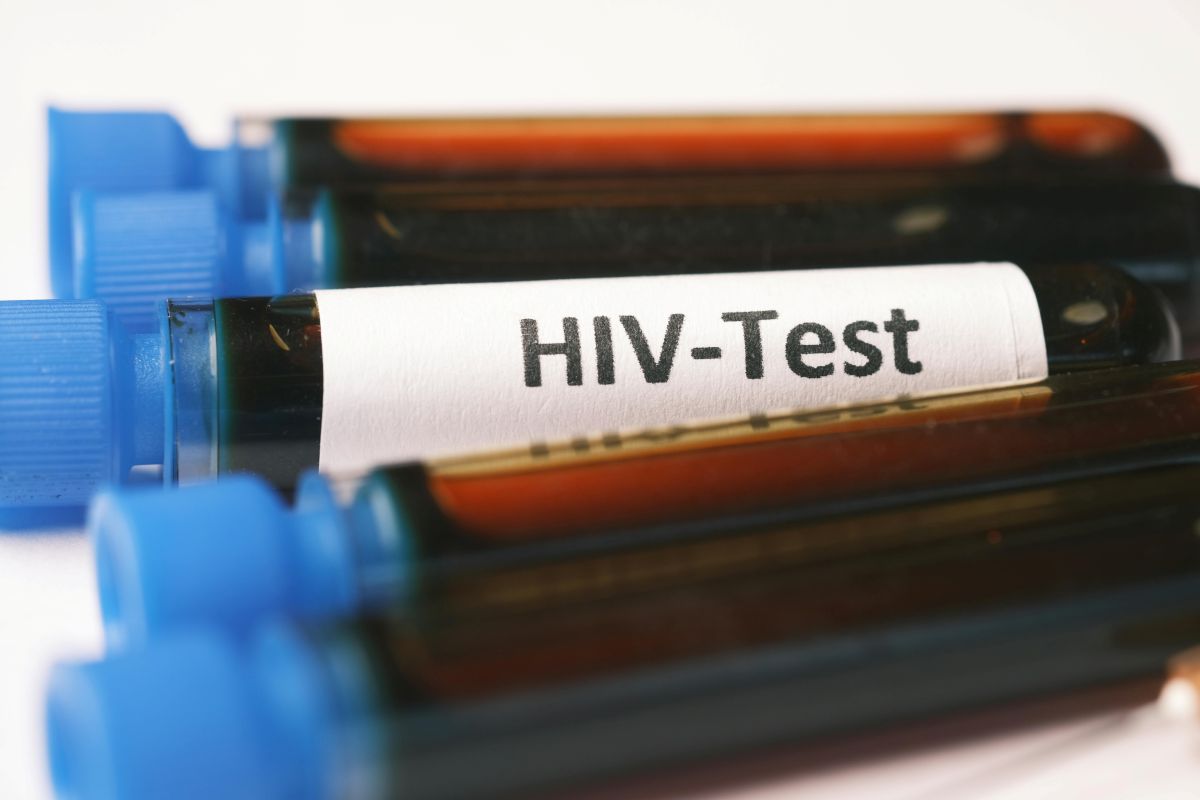
Diagnosis is done through an HIV test, which should be taken one month after any risky behavior. Other tests include:
- Antigen/antibody ELISA test: using a blood sample that detects HIV between 18 and 45 days after virus exposure;
- Nucleic acid test (NAT) or molecular test: also done with a blood sample and can identify HIV between 10 and 33 days after exposure.
HIV still has no cure, but treatment with antiretroviral drugs can help control the virus and improve a patient’s quality of life.
Currently, there are 22 available medications, and the Unified Health System (SUS) has provided these treatments since 1996. Regarding pregnant women with HIV, the Ministry of Health states there is a 99% chance the baby will be born without the virus if the treatment is strictly followed.
Read also
- What is penile fracture?
- Surgery for Peyronie’s Disease: Risks and Recommendations
- Egydio’s Technique: Peyronie Disease Treatment
- Does the Egydio Technique Work for Every Penile Curvature?
- Implante de Prótese Peniana | Dr. Paulo Egydio
- Does Small Penis Exist? Check When Size Is a Concern
- 7 Simple Habits to Prevent Prostate Cancer
- Can People with a Penile Prosthesis Play Sports?
- How to Enlarge the Penis: Understanding the Options
- 6 Causes of Penis Fissures: Treatments and Care Tips
Hepatitis B and C
Hepatitis affects the liver, and symptoms may only appear years after infection, when the disease is already in an advanced stage.
Transmission occurs through unprotected sex, sharing contaminated needles and syringes, nail clippers, razors, and from mother to child during pregnancy or childbirth.
Hepatitis B is the second leading cause of death from viral hepatitis, and its symptoms are similar to those of other liver diseases:
- Fatigue;
- Dizziness;
- Nausea or vomiting;
- Abdominal pain;
- Fever;
- Yellowing of the skin and eyes.
The diagnosis of hepatitis B is carried out via laboratory or rapid tests. If positive, the patient undergoes the following exams:
- Antigen and antibody searches, in case the patient has been vaccinated;
- Blood tests to evaluate liver health;
- Liver biopsy.
According to the Ministry of Health, hepatitis B has no cure, but treatment reduces the risk of complications such as cirrhosis, cancer, and death. The prescribed drugs, according to the Ministry of Health, are pegylated interferon alpha, tenofovir disoproxil (TDF), entecavir, and tenofovir alafenamide (TAF).
Hepatitis C is a persistent inflammation of the liver, transmitted through:
- Sharing needles and syringes for drug use;
- Reuse of medical and dental equipment;
- Blood transfusions before 1993;
- Failure to sterilize manicure tools;
- Reuse of tattooing instruments;
- Unprotected sex (rare);
- During pregnancy or childbirth (rare).
According to the Ministry of Health, about 80% of people with hepatitis C have no symptoms. Of the 20% who do, symptoms include fatigue, abdominal pain, nausea, vomiting, diarrhea, fever, dark urine, and yellowing of the skin and eyes. These symptoms begin between 2 and 12 weeks after infection, and the disease is often discovered when a person donates blood. That’s why regular testing is so important.
The diagnosis of hepatitis C in its chronic phase is done through anti-HCV, abdominal ultrasound, measurement of liver enzymes in the blood, and viral load testing.
Hepatitis C can be cured, and treatment uses interferon, sofosbuvir, and daclatasvir, which are antiviral drugs administered for 6 months.
Gonorrhea
Gonorrhea is transmitted by the bacterium Neisseria gonorrhoeae, typically through unprotected sexual contact, and can also be passed on during childbirth.
Symptoms of this STI in men include:
- Pelvic pain;
- Burning or pain when urinating;
- Pain during sexual intercourse;
- Anal itching or discharge;
- Painful bowel movements;
- Whitish or yellowish discharge;
- Swelling or pain in the testicles;
- Sore throat.
Diagnosis is done by collecting penile discharge for PCR testing to identify the causative bacterium.
Gonorrhea can be cured, and the treatment usually involves a single dose of injectable or oral antibiotics.
Herpes
Genital herpes is an STI caused by the Herpes simplex virus. Transmission occurs through sex without a condom or by direct contact with the lesions of infected individuals.
Genital herpes symptoms appear between 10 and 15 days after exposure to the virus. Here are the main ones:
- Skin lesions in the genital area;
- Fluid in the lesions;
- Redness, itching, and pain in the genital area;
- Pain when urinating or having a bowel movement.
Diagnosis is based on analyzing the fluid from the lesions.
Treatment for genital herpes lasts between 7 and 10 days, and oral antivirals such as famciclovir, valacyclovir, and acyclovir may be prescribed.
HPV
HPV is an STI transmitted during unprotected sexual relations with an infected partner. Symptoms of this STI in men include:
- Itching on the penis;
- Genital warts;
- Sores in the mouth, throat, scrotum, or anus;
- Pain or bleeding at the lesion site;
- Discomfort or bleeding during intercourse.
Diagnosis is made through clinical and laboratory exams.
Although the infection can resolve spontaneously, HPV treatment is important to remove any lesions. Removal can be done by applying trichloroacetic acid injections in a clinical setting or through electrocautery, depending on the extent, quantity, and location of the lesions.
How to Prevent STI Complications in Men?
Some STIs, when not properly diagnosed and treated, may be associated with complications such as infertility and cellular changes in the genital region. Regular medical follow-up is essential for early diagnosis. Check out how to prevent these complications:
- Use condoms during every sexual encounter: vaginal, anal, and oral;
- Annual HIV testing;
- HPV vaccination;
- Open communication with sexual partners;
- Regular check-ups for early detection.
Information helps prevent STIs and enjoy a healthy life. Join Dr. Paulo Egydio’s WhatsApp group to receive health tips on your phone.