

Dexamethasone is an anti-inflammatory prescribed for allergic, respiratory, and dermatological diseases. This medication is also indicated for the treatment of Peyronie’s disease, a penile curvature that makes erections painful. Discover everything you need to know about dexamethasone.
Many people wonder what dexamethasone is. It is an anti-inflammatory medication used to treat allergic, respiratory, and dermatological diseases. Other uses include knee infiltrations to reduce inflammation and pain, as well as reducing brain edema.
The medication is also an alternative in the early stages of Peyronie’s disease to preserve penile functionality, i.e., maintain the ability to penetrate.
Keep reading to better understand how it helps in the treatment of Peyronie’s disease and how to use it.
What is dexamethasone?
Dexamethasone belongs to the corticosteroid family and is administered for the treatment of inflammatory and immunological problems. Its active ingredient is Dexamethasone acetate.
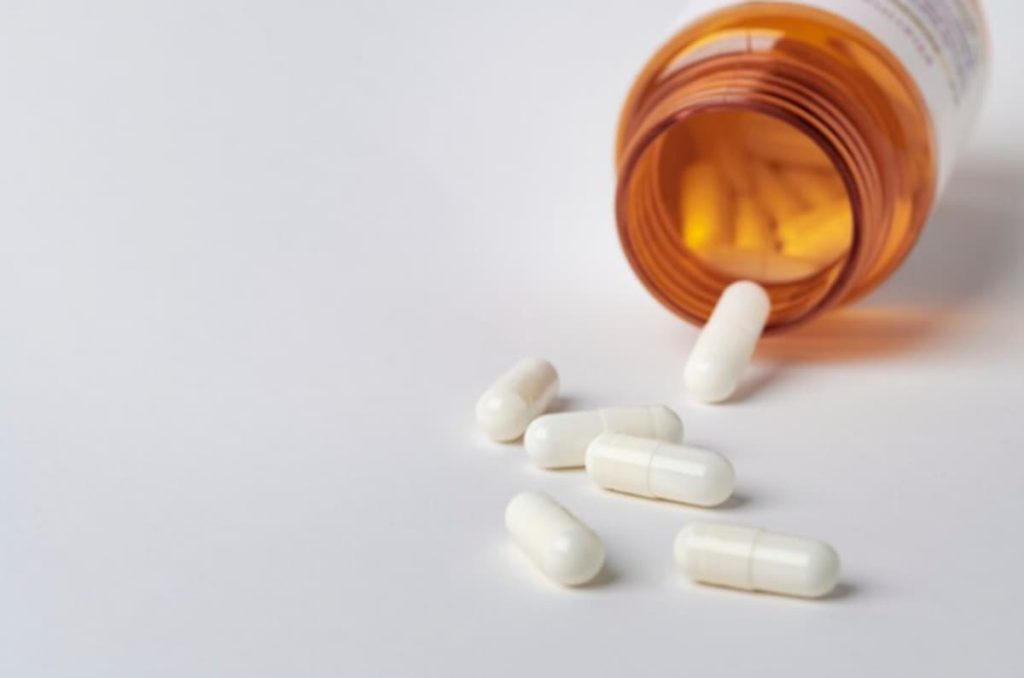
The medication is available in tablet, elixir, ointment, nasal spray, eye drops, and injectable forms (intramuscular, intravenous, or intra-articular). The dosage for each form is as follows:
- tablet: 0.5 mg, 0.75 mg, and 4 mg;
- elixir: 0.5 mg;
- ointment: 1.0 mg;
- nasal spray: 0.5 mg;
- eye drops: 1.0 mg;
- injectable: 2 mg 4 mg.
A common question is the difference between dexamethasone and prednisone, as both are anti-inflammatory treatments used for allergic disorders.
The difference lies in their duration of action. Dexamethasone is a long-acting corticosteroid, with action lasting 36 to 72 hours, while prednisone has a medium duration, lasting 12 to 36 hours.
What is dexamethasone used for?
The dexamethasone package insert indicates its use in cases of rheumatic diseases, eye inflammations, dermatological diseases, blood, lung, and gastrointestinal problems, as well as issues like:
- rheumatoid arthritis;
- allergic rhinitis;
- severe asthma;
- dermatitis and psoriasis;
- acute atopic conjunctivitis.
The medication also relieves pain caused by inflammation in the knees. In this case, dexamethasone is injected into the area. The medication can also be used in infiltrations for the treatment of tendinitis and bursitis.
Another use of dexamethasone is in the treatment of cerebral edema, brain swelling resulting from tumors, trauma, or inflammation. Here, it can be administered orally or intravenously in more severe cases.
In which cases is the ointment recommended?
In the treatment of Peyronie’s disease, the ointment is recommended in the early stage, also known as the acute phase.
Peyronie’s disease is fibrous scar tissue in the male genital area. This penile fibrosis causes curvature and painful erections, affecting a man’s sexual health. Symptoms of the acute phase typically last for 6 months.
How does dexamethasone ointment help Peyronie’s patients?
Dexamethasone ointment in the early stages of Peyronie’s disease helps relieve penile inflammation and pain.
Additionally, it helps preserve penile functionality, i.e., maintaining the ability to penetrate without the penis slipping during intercourse.
Read also: How to Improve Erections: 10 Practices for Quality in Bed
Dexamethasone can be combined with other therapies under medical supervision, such as the use of a penile pump, which aims to assist with blood circulation.
Benefits of treatment for men with Peyronie’s disease
As a corticosteroid, dexamethasone ointment helps reduce inflammation in penile tissue, which reduces the pain associated with the disease. This can contribute to improving the patient’s quality of life, depending on their response to treatment.
Many men feel insecure about the appearance of their penis, especially the failure during intercourse. With reduced pain, the chances of issues during sex decrease.
Proper treatment can help restore self-esteem.
How to use dexamethasone?
Dexamethasone ointment should be applied to the penis. The dosage and frequency of use are determined by the urologist, as they are the specialist in male reproductive system disorders. The doctor will prescribe the correct amount based on your specific case.
Contraindications
Like any medication, dexamethasone has contraindications. Know what they are:
- hypersensitivity to dexamethasone or corticosteroids in general;
- diabetes and high blood pressure;
- heart failure;
- uncontrolled infections;
- peptic ulcers or a history of peptic ulcers;
- herpes simplex and other viral eye infections;
- vaccination with live viruses;
- severe renal failure;
- liver problems;
- chickenpox;
- untreated active tuberculosis;
- psychiatric disorders.
Another contraindication is the use of any medication that causes drug interactions. This means that dexamethasone combined with certain drugs alters the effects of one or the other. Men should inform their doctor if they are using:
- anti-inflammatories;
- antacids;
- diuretics;
- antidiabetics;
- anticoagulants;
- anticonvulsants;
- medications for HIV;
- have been vaccinated with an attenuated virus, such as BCG.
Avoid self-medication

Dexamethasone should only be used with a doctor’s prescription. In the case of Peyronie’s disease, the urologist determines the dosage, number of applications per day, and the frequency of treatment.
Taking dexamethasone on your own is dangerous because it can:
- mask symptoms;
- impair the action of other medications;
- cause allergic reactions;
- develop drug resistance;
- cause kidney or liver problems.
What happens if the patient abandons Peyronie’s treatment with dexamethasone?
Abandoning the treatment can result in the progression of the disease, increasing penile curvature in some cases. At this stage, which is the chronic phase, the patient may lose the ability to penetrate.
Unable to maintain sexual intercourse, the psychological impact can be more severe than in the initial phase of Peyronie’s. It is important to follow the treatment duration indicated by the urologist.
As dexamethasone ointment is indicated in the initial phase of Peyronie’s, it is essential for men to identify the early signs, such as abnormal curvature with or without an erection, pain during erection or intercourse, and difficulty with penetration.
The pre-analysis by Dr. Paulo Egydio is an important step to evaluate the available treatment options. The form is analyzed by the doctor himself, and the guidelines are personalized and sent via email within 24 hours. Fill out the form and take the first step toward caring for your sexual health.