
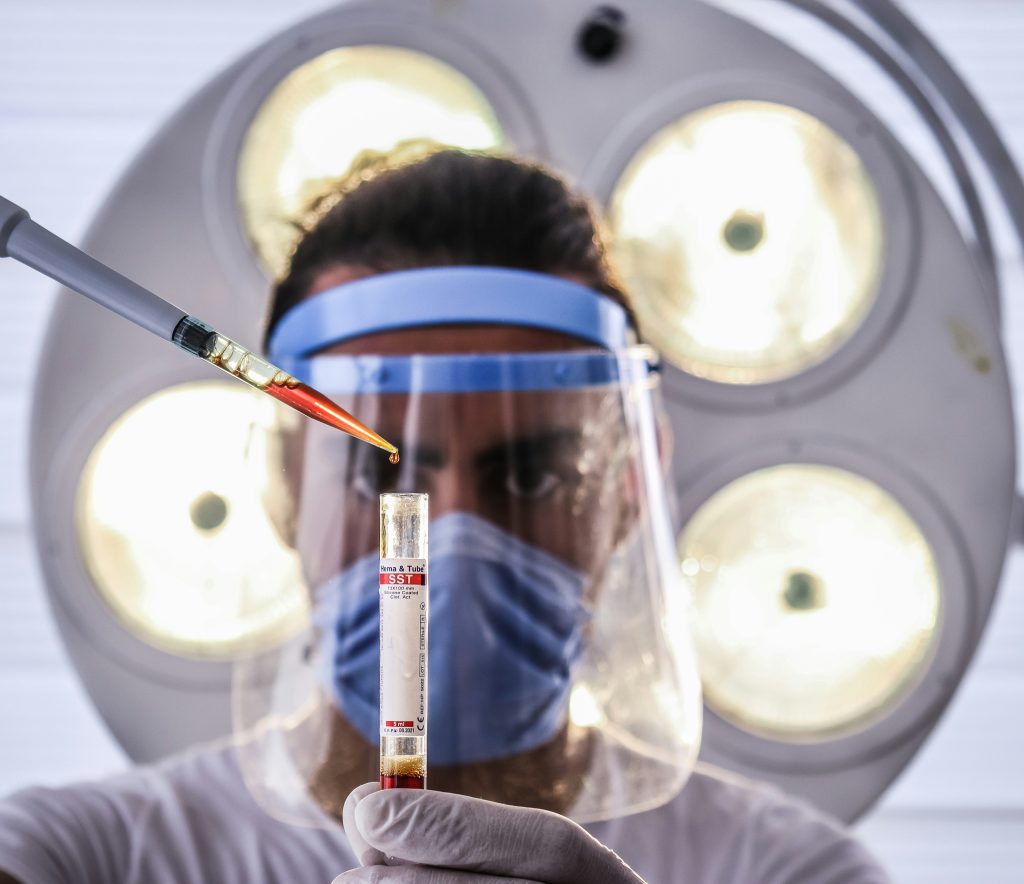
Important for screening, the PSA test is a blood analysis that helps in the early detection of prostate issues, such as cancer, benign prostatic hyperplasia, and prostatitis.
In the world of urology, the Prostate-Specific Antigen (PSA) test is an extremely important tool for early detection of prostate cancer, the second most common type among men worldwide.
The blood test assesses levels of a protein produced by the prostate and not only identifies potential signs of the disease but also unravels clues about broader prostate health.
By providing valuable information about the prostate, the PSA is relevant not just in cancer prevention but also for indicating other issues in the organ, which can also drastically affect a man’s quality of life.
By regularly monitoring the levels of this marker, urologists are able to identify any abnormalities early, allowing for preventive interventions and targeted treatments.
In today’s text, we will clear up any doubts you may have about the PSA test and its importance for men’s health. Follow along below.
What is the PSA test?
The PSA test is conducted through a blood sample, analyzing the levels of a substance called Prostate-Specific Antigen, produced by the prostate.
This blood analysis not only serves as a screening tool to identify potential prostate issues, such as cancer, but it can also signal other conditions.
The test, which can be done at any age, plays a key role in the early detection and monitoring of male prostate health.
PSA levels can be monitored over time to assess treatment efficacy and detect possible recurrences of the disease.
What is the PSA test used for?

The PSA test serves as a screening tool to detect early prostate issues, including prostate cancer or other diseases, such as benign prostatic hyperplasia, characterized by the benign enlargement of the prostate, or prostatitis, an inflammation of the prostate.
As there are several possibilities, it is essential that the results of the test be interpreted by a urology specialist, who can consider other clinical factors, as well as conduct additional tests, such as biopsies, when necessary.
It is also important to note that, in the case of cancer, the PSA is commonly supplemented by other tests, as it alone is not sufficient to establish a definitive diagnosis.
Types of PSA test: total and free
It’s important that you know there are two main types of PSA tests: total PSA and free PSA. Understand the difference:
- Total PSA: The Total PSA measures the total amount of Prostate-Specific Antigen in the blood. It includes both the PSA bound to proteins and the free PSA in the bloodstream.
- Free PSA: The Free PSA, on the other hand, assesses only the amount of PSA that is free in the bloodstream, i.e., not bound to proteins. Free PSA is useful when it’s necessary to differentiate benign prostate problems (like benign prostatic hyperplasia). Generally, the higher the ratio of free PSA to total PSA, the lower the likelihood of the patient having prostate cancer.
It’s important to mention that evaluating both levels of PSA is important in assessing prostate health and in the early detection of prostate cancer. It is common for doctors to request both, as they complement each other.
Who should take the test?
PSA is typically used in the screening of prostate cancer, but also if the healthcare professional suspects other conditions involving the gland.
This test can be requested for men at any age and at any time as screening if necessary and recommended by the urologist.
In the case of cancer, the appropriate time to start PSA testing may vary according to local medical guidelines and personal factors, such as family history and other risk elements.
According to the guidelines from the Brazilian Ministry of Health, generally, screening through the PSA test, in conjunction with a digital rectal exam, is usually recommended from the age of 50, even in the absence of obvious symptoms.
However, in cases of a family history of prostate cancer or other risk factors, doctors may advise starting screening at earlier ages, around 40 or 45 years old.
It is always advisable to discuss individually with a urologist all questions related to prostate health and the ideal time to start PSA testing.
What is the frequency of the PSA test?
The frequency of the PSA test can vary according to age, monitoring of certain conditions (whether benign or malignant) and medical recommendation, that is: it varies according to individual factors, such as age, medical history, and risk factors.
Generally, for men without a family history of prostate cancer or other risk factors, the PSA test is recommended annually from the age of 50.
However, for men with a family history of prostate cancer or other risk factors, doctors may recommend that the tests begin earlier (around 40 or 45 years old). In this case, the frequency can be determined based on initial results and subsequent medical guidance.
It’s always important to discuss the frequency of the tests with your doctor, taking into account the individual context of each patient.
How is the test done?

The PSA test is a simple and painless blood test, generally performed in a laboratory or medical clinic.
The procedure involves drawing a small amount of blood from a vein, usually in the arm, using a fine needle.
After collection, the blood is sent to a laboratory for analysis, where the levels of Prostate-Specific Antigen are measured. The results of the test are generally available a few days after the blood collection.
Preparation care
In general, the preparation before each blood test is indicated by the laboratory or medical clinic where it will be collected. We recommend carefully checking the provided guidelines to ensure that the preparation is done correctly.
In general, there are some general recommendations to follow before the procedure, which are:
- Avoid consuming very fatty foods within 48 hours before the test, as they can interfere with PSA levels;
- Avoid sexual activity, including ejaculation, for at least 48 hours before the test, as recent sexual activity can temporarily raise PSA levels;
- Avoid intense physical activities 48 hours before the test, as they can also temporarily increase PSA levels;
- Check with your doctor if any of your medications might interfere with the test.
If you have specific doubts about preparing for the PSA test, do not hesitate to ask your doctor, in addition to consulting the testing laboratory.
During and after the test
The procedure during the PSA test is simple and non-invasive, so there are no specific recommendations, but try to stay relaxed and calm during the blood draw to facilitate the process.
If you feel discomfort or dizziness during the collection, communicate with the healthcare professional.
After the test, press the puncture site for a few minutes to prevent bruising and avoid bending the arm.
If you feel dizzy or weak after the collection, rest for a few minutes before standing up.
Follow the specific instructions from your doctor or the laboratory regarding the resumption of normal activities or the need for any additional follow-up.
The PSA test is a routine procedure and does not require significant special care during or after collection.
Analyzing the results

After the blood draw, the result is generally available within a few days, depending on the laboratory or medical clinic where it was performed.
The normal value of PSA varies according to age and other individual factors, but generally, it is considered normal when it is below 4 nanograms per milliliter (ng/mL) of blood.
However, when the PSA level is between 4ng/mL and 10ng/mL, there is a 25% chance of the patient having prostate cancer. If this value is above 10 ng/mL, the chance of a malignant tumor increases to 50% or more.
When PSA levels are above this value, it can be concerning and indicate the need for further investigation.
However, it is important to emphasize that elevated PSA levels do not automatically confirm the presence of prostate cancer: benign conditions of the prostate, such as benign prostatic hyperplasia or inflammation, can also cause an increase in PSA levels.
A definitive diagnosis of prostate cancer can only be confirmed through a biopsy, which is performed after abnormal results in PSA tests and other examinations, when necessary.
After a diagnosis of prostate cancer, treatment options may include surgery, radiotherapy, hormonal therapy, or active surveillance, depending on the stage and aggressiveness of the cancer, as well as the patient’s preferences.
It is important to mention that treatment for prostate cancer, such as surgery or radiotherapy, can affect erectile function in some men.
In some cases, erectile function may not return to normal after treatment. Among the possible treatments for a definitive result is penile prosthesis. This decision should be discussed in detail between the patient and their doctor, considering the benefits and risks of each treatment option.
If you or someone you know is facing challenges related to erectile function after prostate cancer treatment, Dr. Paulo Egydio is available for consultation!
With over 25 years of experience in urology, Dr. Egydio has the expertise necessary to provide personalized guidance and help you explore treatment options, including the possibility of implanting a penile prosthesis.
The EMC clinic is always ready to help you. Contact us now and schedule an appointment!
Read also
- Benefits of the Egydio TEP Strategy
- Free and Total Testosterone: Learn How to Interpret Results
- Is My Penis Thin? Find Out Now!
- Boosting Erectile Function: 3 Practical Tips & Effective Treatments
- Meet the Urologist: Specialties, Tests, and When to Seek Help
- Male Masturbation: Benefits and Myths Uncovered
- What is Prostatitis? Learn About Symptoms, Causes, and Recommended Treatments
- How to Measure Your Penis Correctly at Home
- Erection Duration: Understanding Normality & Seeking Help
- What to Do When a Man Loses Desire for His Wife? Discover Possible Causes and Treatments