Can cycling cause impotence, male sterility, and prostate diseases? When it comes to this topic, there is no consensus in the medical literature. Keep reading!
Cycling can be a pleasurable physical activity, offering numerous health benefits, from cardiovascular improvements to muscle strengthening.
However, particularly for male cyclists who practice the sport regularly, there have been concerns about the potential negative effects of cycling, especially regarding sexual health.
For athletes, this topic may seem alarming. So, do you think cycling can cause impotence or other problems? Follow today’s text to learn all about it, including tips for protection during the sport.
Is there a connection between cycling, impotence, erectile dysfunction, and infertility?

There are no solid scientific evidences that cycling can cause sexual impotence, male sterility, or prostate diseases in men. Moreover, research carried out over the past decades presents controversial results.
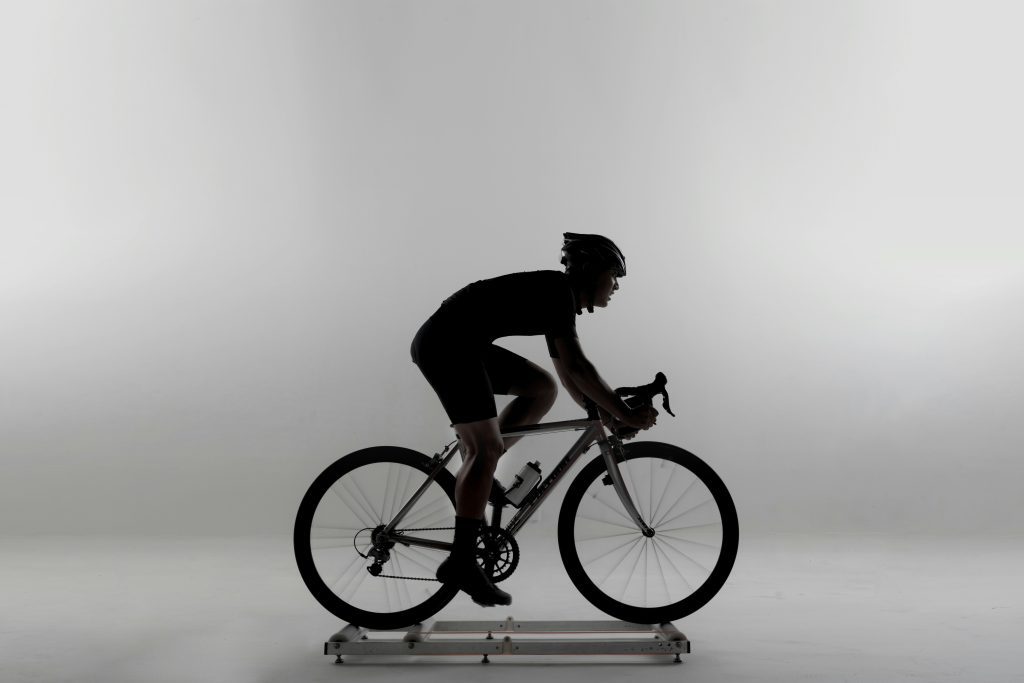
Although there is some concern about the pressure exerted by the bicycle saddle – the part of the seat where the cyclist sits – on the nerves and male genital organs, recent and more comprehensive studies have not found a direct link between cycling and sexual impotence.
Regarding fertility, it is believed that long-duration and high-intensity cycling may be associated with a temporary increase in scrotal temperature and pressure exerted on the perineum, which could affect sperm production and seminal quality.
However, just as the relationship between cycling and impotence, there are no studies corroborating the scientific evidence sufficient for such a statement.
See what studies say about cycling and impotence:
A study published in 2004 in The Journal Urology analyzing 463 cyclists who completed a race of at least 320 kilometers and were free of erectile dysfunction before the competition. The result confirmed that the cumulative incidence of erectile dysfunction after the race was 4.2%, but the numbers changed according to the type of bicycle seat.
This suggests that cyclists on long-distance rides can reduce the risk of dysfunction depending on the model and position of the seat.
Another more recent article from 2010, follows the same line of reasoning, stating that reports in the literature have implicated bicycle use as a risk factor for increased erectile dysfunction, due to perineal compression during cycling.
The text concluded that “there is a need for more research on safe bicycle and seat designs and investigations that address the underlying mechanisms leading to cycling-related sexual dysfunction in male and female cyclists”.
However, a more recent analysis published in 2021 in the National Library of Medicine (PubMed) evaluated 843 studies, covering 3,300 cyclists and 1,524 participants who did not practice cycling, points out that the evidences related to cycling and erectile dysfunction (ED) are conflicting.
In comparison, there were no significant differences in the chances of association between bicycle use and erectile dysfunction. However, the heterogeneity among the studies suggests further investigation in groups of people more susceptible to ED.
Also read: What Are the Causes of Low Libido?
Is it normal to feel numbness in the perineum during practice?
Numbness in the perineum while cycling can occur. This happens because of the pressure on the nerves and blood vessels in the area, located between the anus and the genitals.
The numbness is generally more common among cyclists who spend more time pedaling. It is often caused by continuous contact with the bicycle seat, which can compress the soft tissues and reduce blood flow.
However, although it can happen, the problem should not be ignored, especially if it becomes persistent. In some cases, it may indicate more serious problems, such as damage to blood vessels or nerves.
If numbness occurs frequently during or after cycling, seek assistance from a urologist.
Also, it may be a sign that the saddle is not adjusted correctly. To minimize the risk of perineum numbness during cycling, it is important to choose a suitable saddle, in addition to taking frequent breaks during the sport.
Does cycling harm the prostate?
Just as the relationship between erectile dysfunction and cycling has been the subject of study, damage to the prostate, especially in the case of high-impact athletes, is also constantly studied.
However, while some research suggests that long-duration cycling may increase the risk of conditions such as prostatitis (inflammation of the prostate) or benign prostatic hyperplasia (non-cancerous enlargement of the prostate), there are studies that have not found a significant association.
As with the previous issues mentioned here, there is still no consensus among the medical community on this subject.
Also read: Does removing the prostate cause impotence? Discover what happens after surgery
Does cycling harm the testicles?
For men, cycling for a long time can cause discomfort in the testicles due to prolonged pressure on the area during the sport.
The compression of the testicles in this case can also result in temporary numbness or even cause injuries, if there are no breaks and adequate conditions for practice.
However, there is no evidence that cycling can permanently harm the testicles in healthy men. The region can typically tolerate moderate pressures, without damage.
So, can I cycle or practice cycling?
Not only can you, but you should! Gathering all the issues raised above, it is noticeable that the only existing concern comes in the case of high-impact cyclists and, even so, the medical community still does not have a consensus on the possible problems. Cycling increases testosterone, including.
Therefore, practice your sport without fear and, if necessary, seek a urologist for more instructions on the subject.
Amateur cycling offers a series of benefits for general health, including improvements in sexual life, such as:
- Increased testosterone levels and, consequently, libido
- Improvement of self-esteem and body image
- Improvements in erectile function
- Improvements in blood circulation
- Improvement of cardiovascular health
- Increased physical endurance
- Reduction of stress and anxiety
And now: how do I know I chose the right bicycle?
To choose the right bicycle, it’s important to consider everything from the shape of the saddle to the body adaptation. Check out some details:
- Saddle shape: should be chosen based on the width and shape suitable for each cyclist’s body. Especially if you are an amateur, count on the help of a specialized professional for this.
- Bike height: the height of the bicycle should allow you to touch the ground with your feet while seated on the saddle, with the knees slightly bent when the pedal is in the lowest position.
- Type of bicycle: there are numerous bicycles, for different practices. Choose yours based on your use, with the help of a professional.
- Body adaptation: like all the points above, this is also of utmost importance: the bicycle needs to be aligned to the body, from the height of the saddle to the handlebars.
Much more than choosing the right bicycle to enjoy your cycling experience without worries are self-awareness and personal care.
If you are a cyclist (whether professional or amateur) and face issues such as discomfort, numbness, or pain during practice, do not hesitate to seek specialized help.
Here at EMC clinic, our team of qualified urology professionals can offer personalized assessment.